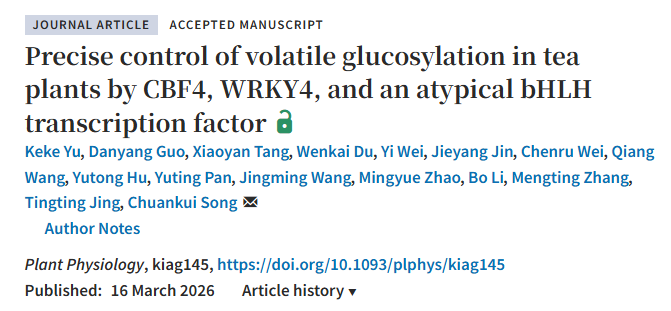
The team of Professor Song Chuankui at the laboratory published online in Plant Physiology a research paper entitled “Precise control of volatile glucosylation in tea plants by CBF4, WRKY4, and an atypical bHLH transcription factor”, revealing for the first time the molecular mechanism by which tea plants precisely regulate the glycosylation of the important aroma compound nerolidol under low-temperature conditions through a dual “accelerator–brake” module.
Low temperature is an important environmental factor constraining tea plant growth and tea quality. During long-term evolution, tea plants have developed an elaborate low-temperature defence regulatory system. Previous studies found that the volatile aroma compound nerolidol is not only the core material basis of the floral and fruity aroma of tea, but also acts as a key signalling substance participating in information exchange among tea plant populations; glycosylation mediated by the glycosyltransferase CsUGT91Q2 significantly enhances the population-level cold tolerance of tea plants, opening a new line of thought for research on plant cold tolerance. However, how the low-temperature signal precisely initiates and regulates this process has remained a scientific puzzle urgently awaiting solution.
To address this problem, the team used single-cell transcriptome analysis of tea plants and screened out an atypical bHLH transcription factor, CsAIF3, which can directly activate the expression of the glycosyltransferase CsUGT91Q2 and positively regulate nerolidol glycoside synthesis. Further study confirmed that the low-temperature-induced core transcription factor CsCBF4 forms a CsCBF4–CsAIF3–CsUGT91Q2 cascade pathway with CsAIF3, constituting an “accelerator module” that regulates cold tolerance and aroma synthesis in tea plants and positively regulates the accumulation of the cold-tolerance-related nerolidol glycoside (Figure 1).
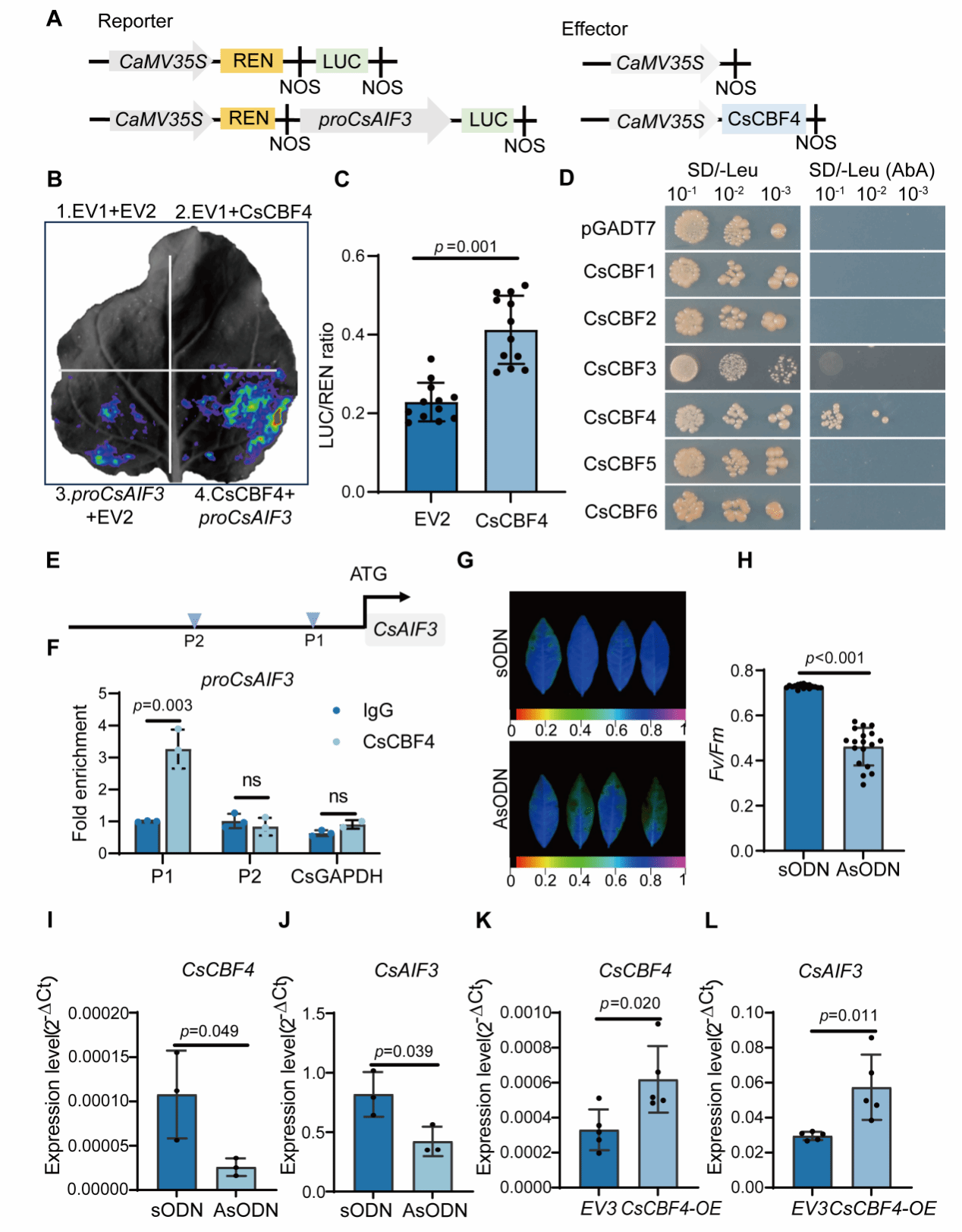
Figure 1. The CsCBF4–CsAIF3–CsUGT91Q2 cascade positively regulates cold tolerance in tea plants
In addition to the “accelerator module”, the team also found a “brake element” in tea plants — the transcription factor CsWRKY4. At normal temperature, CsWRKY4 interacts with CsAIF3 and inhibits its transcriptional activation of CsUGT91Q2, maintaining the basal synthesis level of nerolidol glycoside and preventing excessive accumulation of cold-tolerance metabolites under non-stress conditions, thereby achieving fine-tuned regulation of the cold response.
So how do tea plants achieve precise regulation under low temperature through the coordinated action of the “accelerator” and the “brake”? The team further revealed that when low temperature arrives, another low-temperature-induced core element, CsCBF5, is rapidly activated and, by competitively interacting with CsWRKY4, relieves the inhibition of CsAIF3 by CsWRKY4, thereby activating CsUGT91Q2 expression and inducing nerolidol glycosylation and the cold-tolerance process (Figure 2).
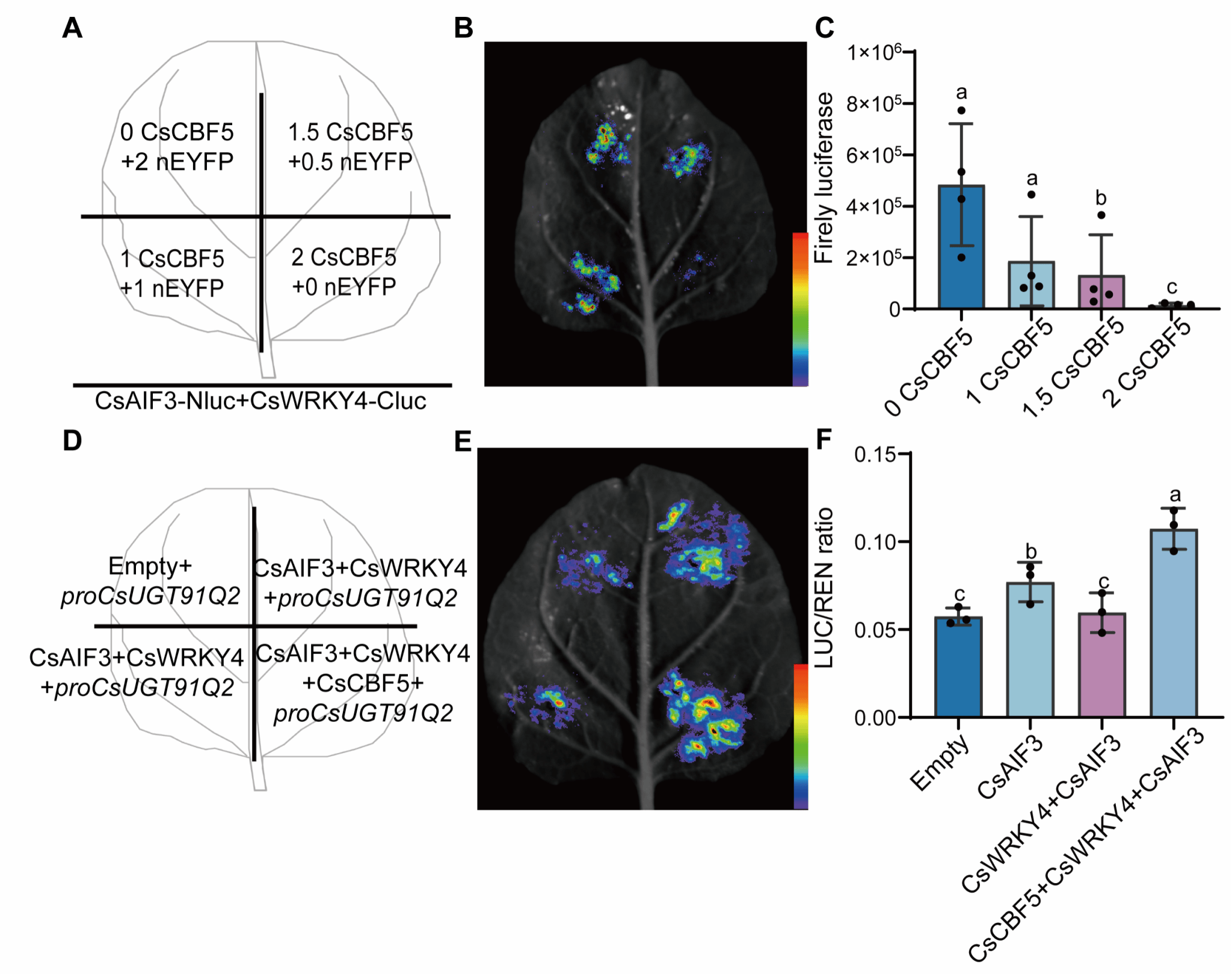
Figure 2. CsCBF5 competitively binds CsWRKY4 and relieves the inhibition of CsAIF3
In summary, tea plants precisely regulate aroma glycoside synthesis and cold tolerance through two complementary pathways: the CsCBF4-driven CsAIF3 activation pathway and the CsCBF5-mediated relief of CsWRKY4 inhibition. Together they release CsAIF3 activity under low temperature, activate CsUGT91Q2 to drive nerolidol glycoside synthesis and ultimately enhance the cold tolerance of the plant (Figure 3). This study not only reveals the non-canonical function of a DNA-binding-deficient bHLH transcription factor, but also provides key insights into how plants precisely regulate specialized metabolism in response to temperature changes.
In the same issue, Plant Physiology published a commentary by the renowned Italian molecular stress expert Eva Maria Gomez-Alvarez, which highly praised the study. It noted that the study clearly depicts how the CsCBF4–CsAIF3–CsWRKY4–CsCBF5 “activation–inhibition” module integrates the classical CBF cold-response pathway with volatile metabolite modification, clarifies the molecular logic by which plants achieve precise regulation of secondary metabolites by balancing activation and inhibition signals, and identifies the core mechanism of metabolic pathway plasticity in tea plants under cold stress.
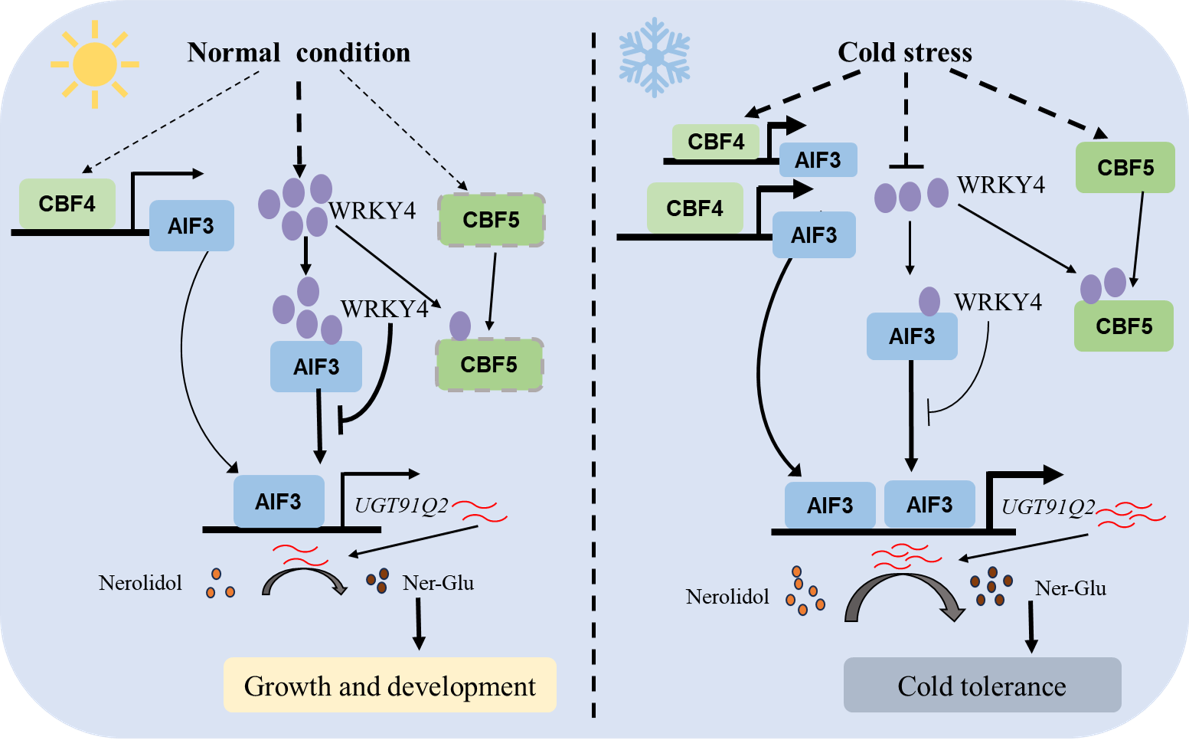
Figure 3. Model of precise low-temperature regulation of nerolidol glycoside accumulation
Postdoctoral fellow Yu Keke of the National Key Laboratory of Tea Plant Germplasm Innovation and Resource Utilization, Anhui Agricultural University, is the first author of the paper, and Professor Song Chuankui is the corresponding author. The research was supported by the National Natural Science Foundation of China and the National Key R&D Program.
Article link: https://academic.oup.com/plphys/advance-article/doi/10.1093/plphys/kiag145/8525021


 LATEST
RESEARCH
LATEST
RESEARCH