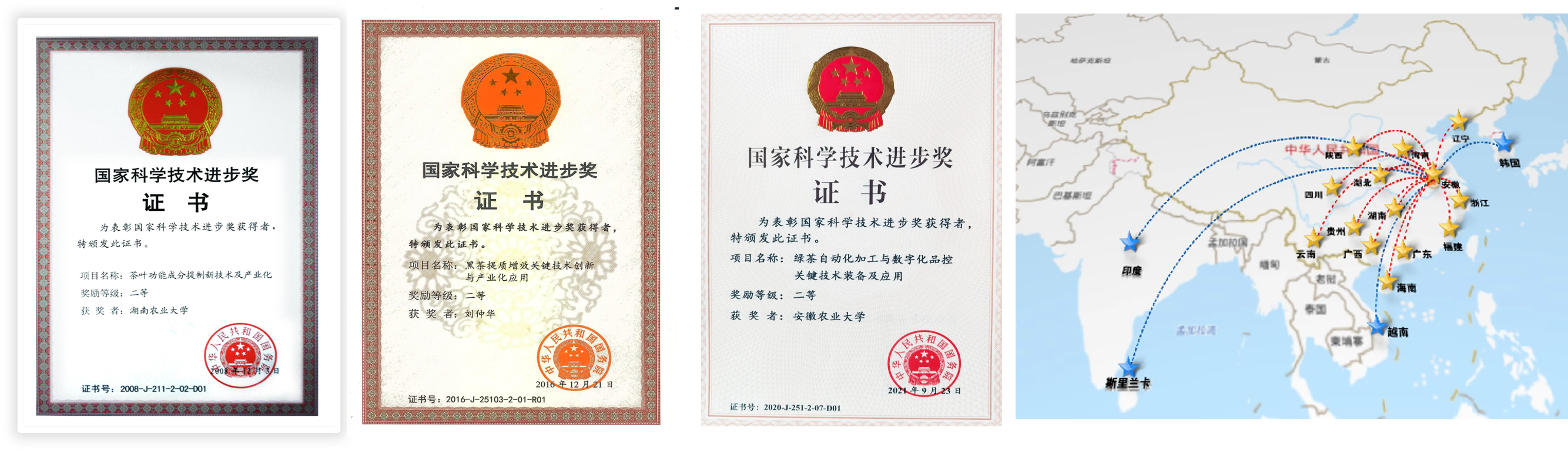
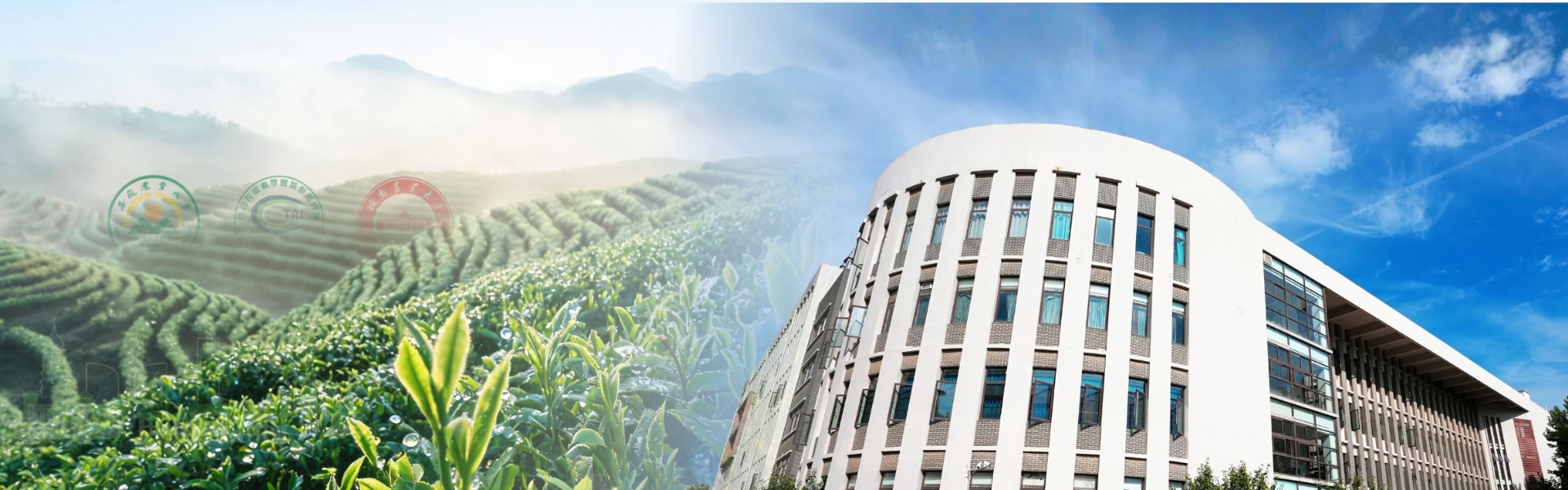
Tea science is a traditional strength of Anhui Agricultural University, tracing its origin to the Tea Specialty Program founded in 1939 within the College of Agriculture of Fudan University, which made it the cradle of tea science education in China. The laboratory has developed from the tea science laboratory founded by the renowned tea scientists Professors Wang Zenong and Chen Chuan. It was successively approved as a Key Laboratory of the Ministry of Agriculture and Rural Affairs (1997), of Anhui Province (1998), and of the Ministry of Education (2003). On January 20, 2015, it was approved as a State Key Laboratory jointly established by the Ministry of Science and Technology and Anhui Province; in November 2016, the Ministry of Education approved the establishment of the International Joint Laboratory on Tea Chemistry and Health; and in March 2018 it became one of the first ten Anhui Provincial Laboratories. The laboratory has been selected for the Ministry of Education's "Program for Innovative Research Team Development" and recognized as a "National Huang Danian-style Faculty Team", and has received honorary titles including "National Advanced Collective of Professional and Technical Talents" and "National Advanced Collective in the Education System". In 2024, relying on Anhui Agricultural University and based on the State Key Laboratory of Tea Plant Biology and Utilization jointly established by the ministry and the province, the national key laboratory reorganization was successfully completed in collaboration with the Tea Research Institute of the Chinese Academy of Agricultural Sciences and Hunan Agricultural University. In December of the same year, it was approved as the National Key Laboratory of Tea Germplasm Innovation and Resource Utilization.
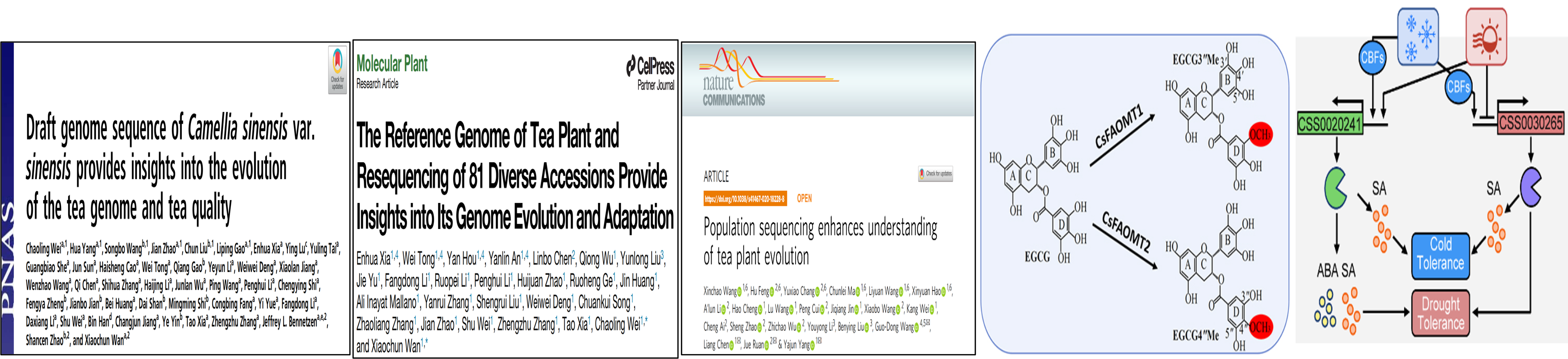
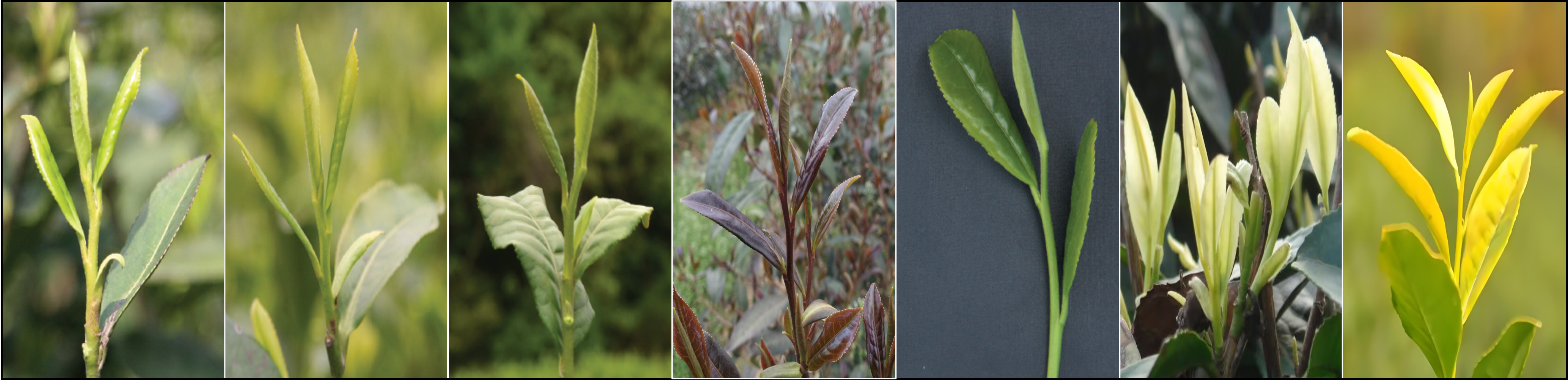
The National Key Laboratory currently has 152 permanent staff members, including 133 with senior professional titles; it is home to 12 national-level talents and 14 scientists of the China Tea Industry Technology System (including one chief scientist). Adhering to the "Four Orientations", the laboratory serves the national strategies of rural revitalization and "Healthy China" as well as the Belt and Road Initiative. It focuses on the breeding of major new varieties that are high-quality and efficient, multi-resistant, machine-suitable, and "specialized and dedicated", together with the high-value utilization of tea resources. Scientific research and the development of new technologies and products are carried out around four directions: tea germplasm evaluation and creation, secondary metabolism and regulation, breeding techniques and variety development, and tea processing and high-value utilization. The laboratory is committed to building a new highland of world-class fundamental tea science, a main base for talent gathering and cultivation, a wellspring of technological innovation and achievement transformation, and a center for international exchange and cooperation, thereby forging a national strategic scientific force for the tea industry and leading the high-quality development of China's tea industry.