

12月5日(周四)谢德玉教授学术报告及国家基金指导
 发布时间:2024年12月03日 16:42
 来源:
来源:
 作者:
作者:
 阅读数:
阅读数:
报告题目:Does Artemisinin Biosynthesis Require a Strong Oxidative Condition? – Evidence from Engineering of Anthocyanin-Rich Cells
报告人:De-Yu Xie(谢德玉)教授
报告时间:2024年12月5日(周四) 下午15:00
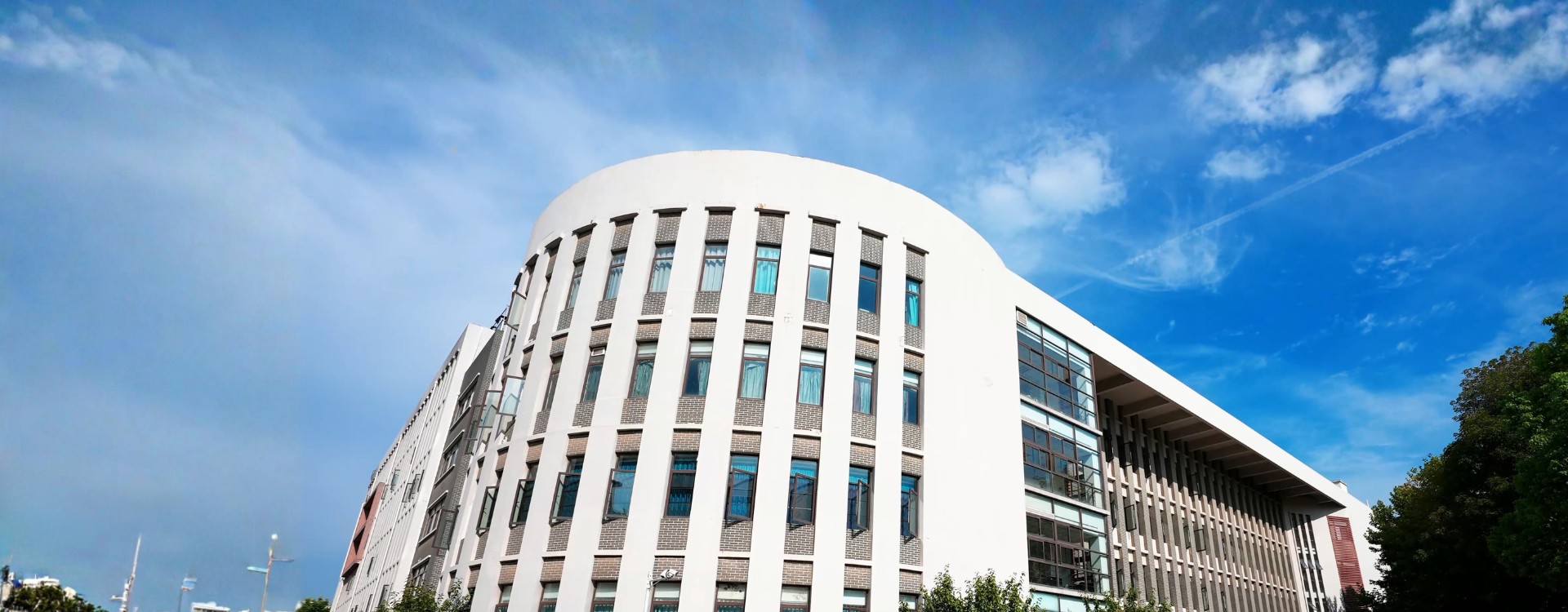
报告地点:生物科技楼B239会议室
承办单位:茶树生物学与资源利用国家重点实验室、茶业学院
报告人简介:
Dr. De-Yu Xie is a tenured full professor in the Department of Plant & Microbial Biology, North Carolina State University. He earned his PhD in Plant Physiology in the Institute of Botany, Chinese Academy of Sciences in 1997. Then, he completed his postdoc training at the National University of Singapore from Aug. 1997 to Dec. 2000 and at Noble Foundation from Jan. 2001 to May 2005. In Aug. 2005, he started his tenure-track assistant professor in his current department. He was promoted to associate professor with tenure in 2011 and full professor in 2016. He was a recipient of the Arthur C. Neish Young Investigator award of the Phytochemical Society of North America (PSNA) in 2009. He served the president of the PSNA in 2018. He served an Editor-in-Chief for Planta in 2023. He was elected as an American Association for the Advancement of Science (AAAS) fellow. Currently, he serves an Editor-in-Chief for Phytochemical Review and associate editor for Planta, Frontiers in Plant Sciences, and Journal of Integrative Plant Biology. He has published approximately 110 papers, which has been cited nearly 10,000 times. His main scientific contributions include the discoveries of the anthocyanidin reductase pathway of flavan-3-ols and proanthocyanidins, papanridins and their biosynthesis, and distant-cross pathway regulation in plant flavonoids and alkaloids; cytogenetics of Artemisia annua, crystallization of artemisinin from transgenic materials, development of self-pollinated A. annua, artemisinin biosynthesis in non-glandular trichome cells in terpenoids; and innovation of molecular tools, supplies, and boxes for metabolic designs.
报告摘要:Artemisinin is an effective antimalarial medicine. Its formation has not been elucidated. An accepted theory is that the formation of artemisinin results from an autonomous photooxidation in a high UV-light irradiation and abundant ROS conditions. If theory is true, the absence of this condition must lead to the lack of artemisinin biosynthesis. To prove these, antioxidative anthocyanin-rich cells were engineered from Artemisia annua. The characterization of metabolisms discloses that anthocyanin-rich cells biosynthesize artemisinin. This metabolic evidence shows that the biosynthesis of artemisinin does not require a strong photooxidation condition.
次生代谢与调控

育种技术与品种培育

 茶树基因组
茶树基因组 仪器预约平台
 仪器设备信息